top of page

Digital Cognitive Twin™
Technology

DCT Icon sf.png

Discover CogniFit’s Digital Cognitive Twin™ platform for longevity, healthcare, and education.

Formas blancas abstractas

Imagine Your Brain Had Its Own Smart Coach That Actually Gets You in Real Time

It knows when you’re tired, stressed, or on fire — and gives you a caring suggestion or a little brain boost exactly when you need it. 


Ever wake up feeling foggy even after sleeping?
Forget someone’s name right after meeting them?


Have days where your mind just won’t focus, no matter how much coffee you drink?
 

We’ve all been there.

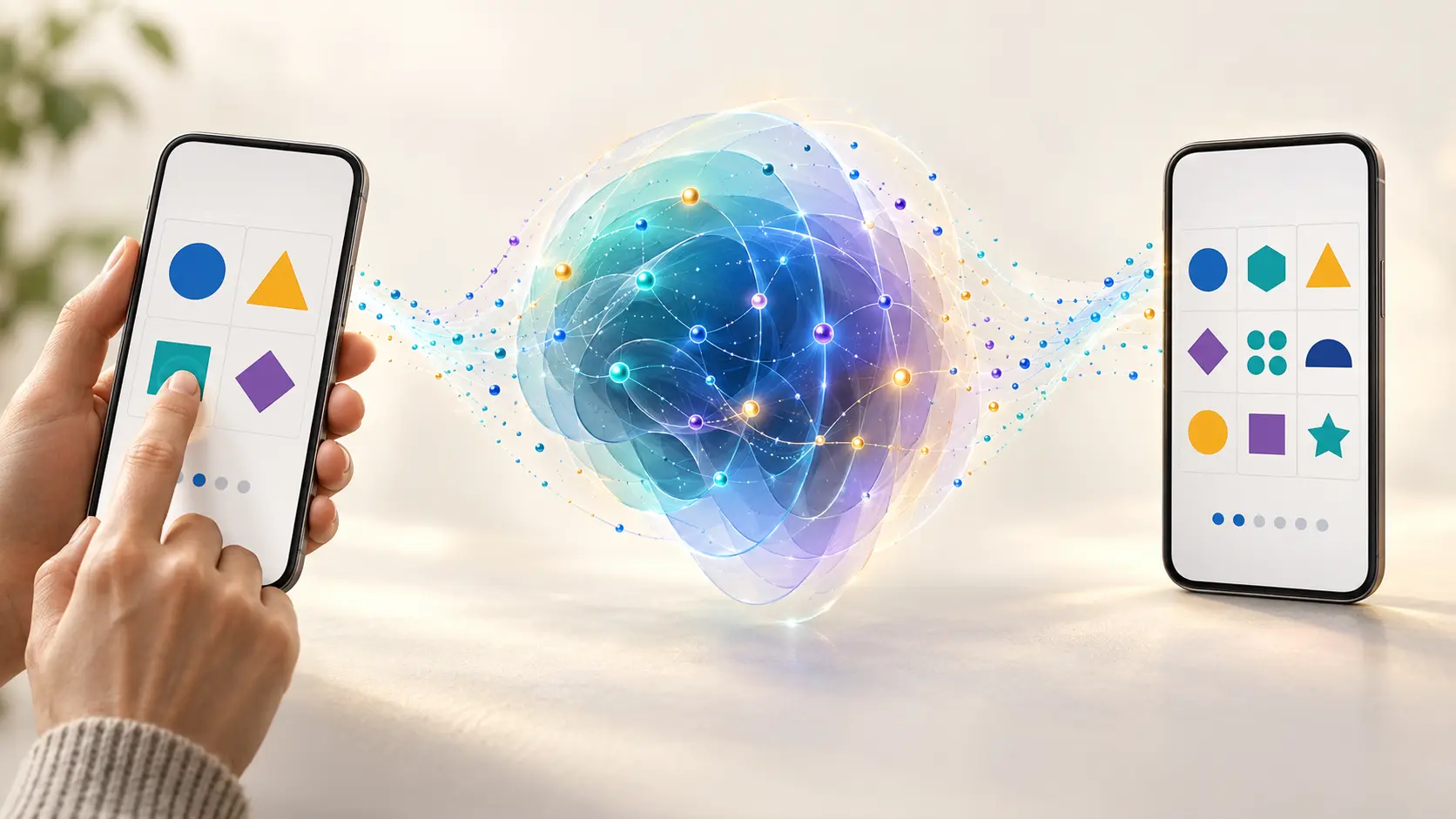
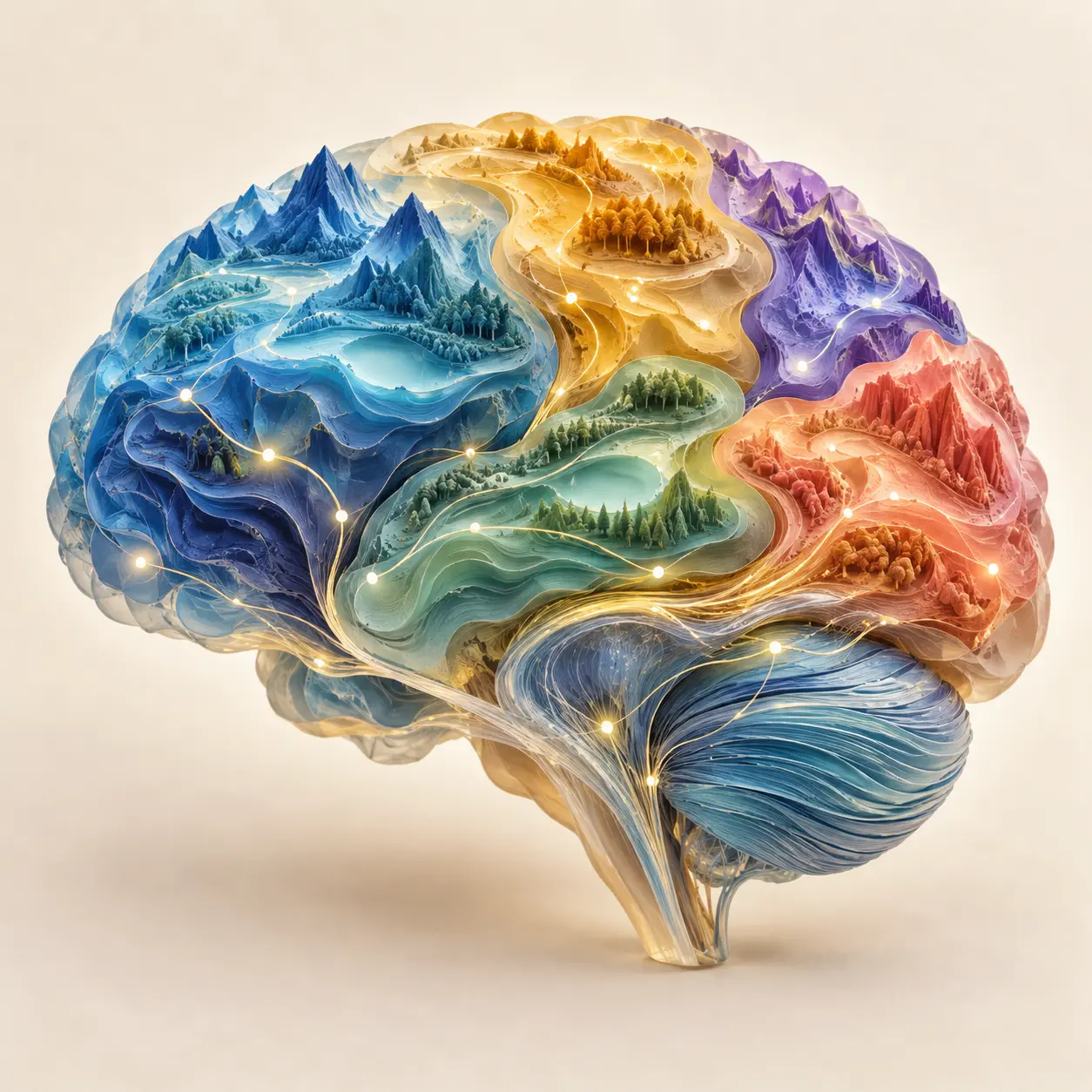
That’s why we created something different: a personal Digital Cognitive Twin — basically a smart digital version of your brain that learns from you every day and helps you feel clearer, sharper, and more like yourself.


It’s not just another brain game.
It’s your brain’s sidekick that gets smarter and better to help you the more you use it.

Digital Cognitive Twin Represntation - Human to DCT.png

What If You Knew Exactly What Your Brain Needs— Every Time It Faces a Challenge?

This isn’t a score or a one-time test.
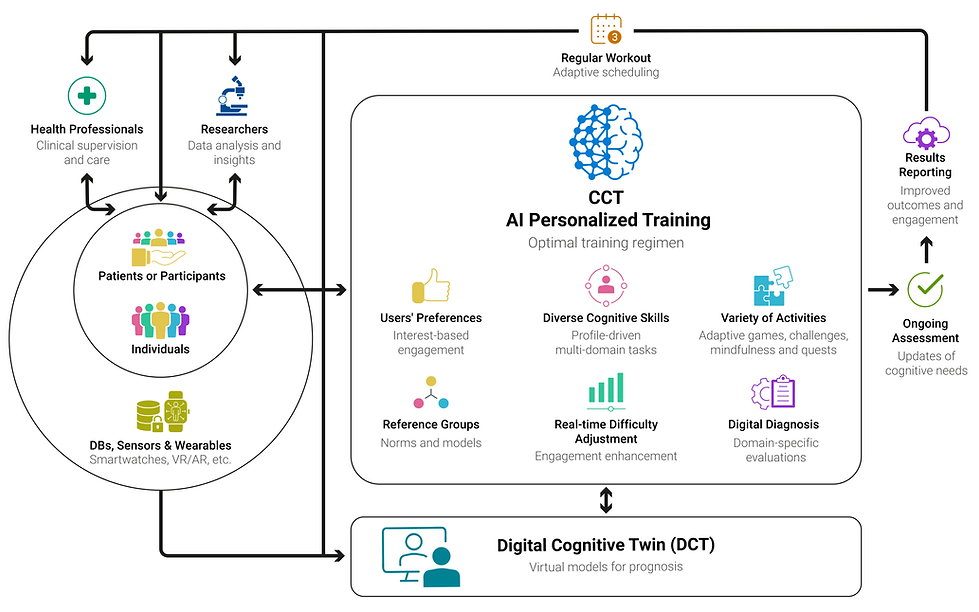
It’s a living, updating helper that watches how your brain works and adapts — using your quick daily sessions, how you sleep, your stress levels, your activity, even when you feel best or worst.


It learns from:

  • Short brain exercises you do

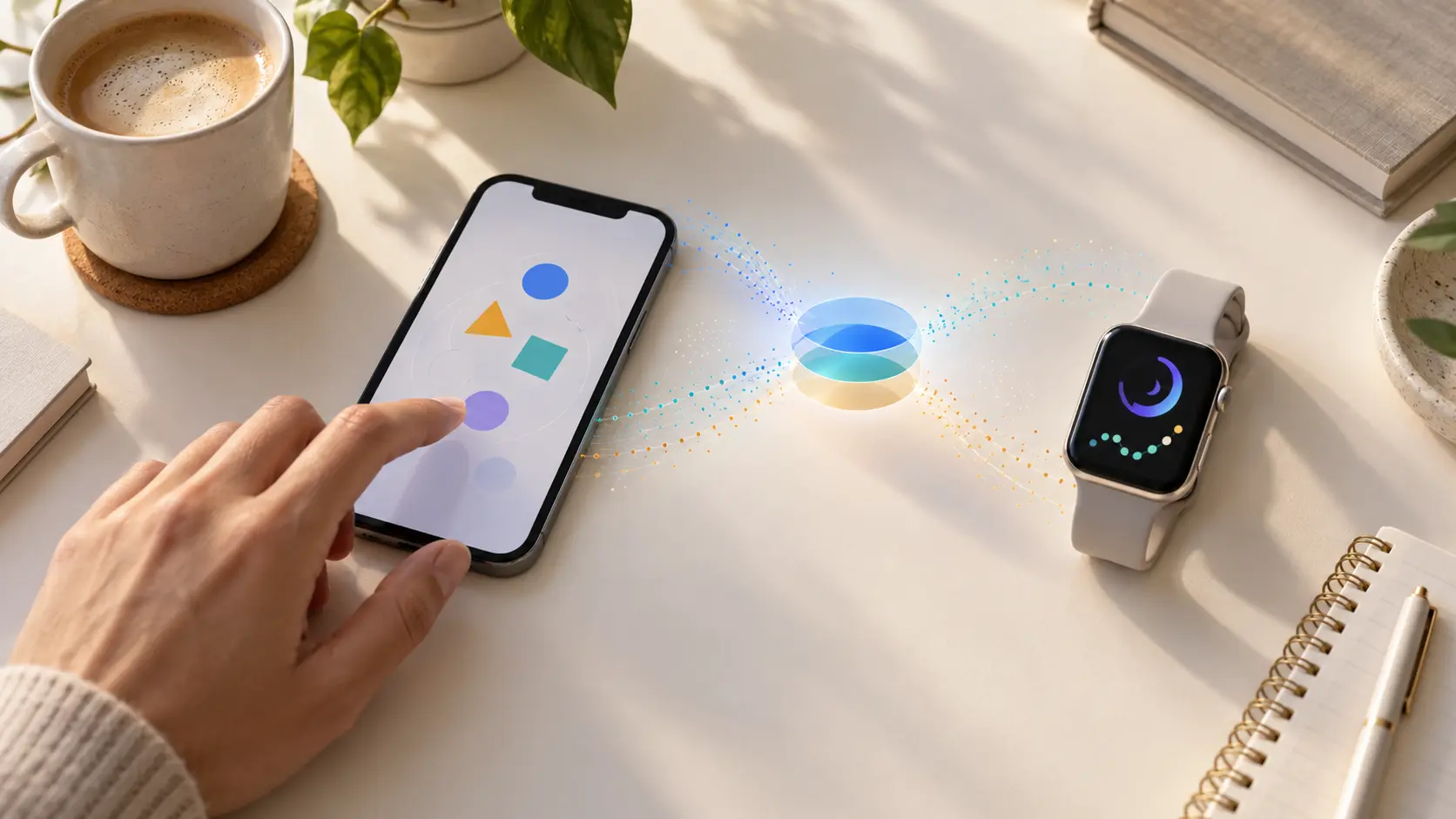
  • Your sleep and movement (if you connect a watch — optional)

  • How focused or tired you feel during sessions

Then it picks the right exercises, at the right time, at the right difficulty — so you get real results instead of frustration.


With advanced AI, the Digital Cognitive Twin™ platform predicts cognitive needs and personalizes activities to improve your brain health in real time. It evolves as you evolve.

Why This Matters

Cognitive health is central to performance, emotional wellbeing, and long-term independence.


Research suggests that up to 40 % of age-related dementia risk may be preventable or delayed through lifestyle and behavioral interventions — but traditional approaches struggle with personalization and ongoing adaptation.


Conventional brain training tools often show:

  • Low personalization

  • Limited real-world transfer

  • High dropout rates

  • Static difficulty models

The Digital Cognitive Twin™ platform overcomes these challenges with predictive, adaptive, and integrated intelligence. 

Your personal brain twin notices when you’re tired and makes things easier,  picks the best time of day for your brain to shine and mixes in fun challenges when you’re ready.

Inicio-Acerca de-1_edited.jpg

From Brain Training to Predictive Cognitive Modeling

Key capabilities of the Digital Cognitive Twin™ technology:

1️⃣ Predictive Personalization: Anticipates your cognitive needs based on patterns in sleep, stress, and cognitive performance.
2️⃣ Real-Time Adaptation: Task difficulty, timing, and type adjust dynamically to the human needs.
3️⃣ Holistic Integration:  Cognition integrates with mental health signals, physical activity, and lifestyle factors.
4️⃣ Continuous Learning: The more you use it, the smarter the Digital Cognitive Twin™ framework becomes.

How It Actually Works

First 1–2 weeks: 
You play a few quick, fun brain games (takes 10–15 min a day). This helps it learn your starting point. Your personal brain twin is created.
It builds a custom and accurate picture of how your mind works right now.


Daily help starts: It tells you the best time to do your session
Adjusts difficulty on the spot (easier if you’re foggy, harder when you’re sharp). Adds relaxation or focus tricks when you need them.
Suggests tiny habits that fit your real life


It keeps improving: 
Every time you use it, it understands you better. The longer you stick with it, the more powerful it gets.

flowchart_new_v8_page_1_432dpi.png

This Is NOT Another ChatGPT, AI Chatbot or a Basic Brain Game — Here’s Why

You might be thinking: “Wait… isn’t this just another AI that talks to me?”
No — it’s completely different.


AI chatbots are amazing at answering questions, writing emails, or giving general advice. They’re general-purpose tools. They don’t really know you. They give the same kind of suggestions to everyone based on general public knowledge.


Your Digital Cognitive Twin is the opposite:

  • It’s built only for you — a real-time, private model of your specific brain and how it changes day to day

  • It doesn’t just chat — it actively measures your cognitive performance through short, science-backed tasks

  • It predicts what your brain needs next (e.g., “you’re foggy today”) using your own data (sessions + optional sleep/activity info)

  • It adapts in real time instead of giving one-off generic tips

  • It’s designed for ongoing brain health, not conversation — backed by neuroscience research

  • Even the most advanced chatbots can’t do personalized, moment-to-moment brain training like this — they simply don’t have your unique cognitive profile or the ability to track and evolve it over time.


In short: IA Bots talks to you.
Your Digital Cognitive Twin cares about your brain — like a custom coach that grows alongside you.

Real Things People Want This For

  • Wake up feeling clearer instead of foggy

  • Stay focused longer at work, with the kids, or while reading

  • Remember names, dates, and little things without stressing

  • Feel more in control of mood and stress

  • Protect your memory and independence for years to come

  • Just enjoy life more because your brain feels on your side


Busy parents, professionals, people in their 30s–60s, retirees — anyone who wants to stay sharp and feel good every day.

This Is Just the Beginning

The Digital Cognitive Twin™ platform represents a new standard for preventive brain health. A future where:

  • Personalized brain care is as unique as your fingerprint

  • Cognitive health is continuously monitored

  • Performance is intelligently optimized

  • Prevention becomes proactive, not reactive

CogniFit Cognitive Digital Twin wellness.png

Join the Future of Mental Wellbeing

Be one of the first to get access the private release in July 2026.

Yes — Put Me on the Early List!

Already 5163 people have joined.

No commitment — just early access. Your email stays private and secure.

Quick Questions People Ask

Is this a medical device?


No — it’s a preventive brain coach for everyday life. We’re doing more research with universities, but it’s designed to be safe, helpful, and private.


Is my data safe?


Yes — strong encryption, privacy-first design, and we never sell your info.


Do I need a smartwatch or anything?

Nope! It works great on its own. Connecting a watch (sleep, steps, etc.) just makes it even more personalized — but it’s 100% optional.


Does it works?

It is backed by real science
and built by neuroscientists, psychiatrists, and researchers (including work connected to Duke University and published in places like Nature Mental Health). But made for normal people, not labs.


The future isn’t about fancy gadgets.
It’s about feeling like your brain is working with you — every single day.

Scientic References

unnamed (1).webp

Doraiswamy, P. M., Duñabeitia, J. A., Rodriguez, C., & Devanand, D. P. (2025). Digital cognitive twins in mental health. Nature Mental Health, 3(10), 1106-1108. https://doi.org/10.1038/s44220-025-00482-8

0_3qIWoFnZgVUtsXB-.png
duke-university-logo-png_seeklogo-310167.png
Montessori-Universidad-Nebrija-e1611061433196.webp

Sarris, A. L., Sidiropoulos, E., Paraskevopoulos, E., & Bamidis, P. (2023). Towards a Digital Twin in Human Brain: Brain Tumor Detection Using K-Means. Studies in health technology and informatics, 302, 1052–1056. https://doi.org/10.3233/SHTI230345

Upadrista, V., Nazir, S., & Tianfield, H. (2025). Blockchain-enabled digital twin system for brain stroke prediction. Brain informatics, 12(1), 1. https://doi.org/10.1186/s40708-024-00247-6

Cen, S., Gebregziabher, M., Moazami, S., Azevedo, C. J., & Pelletier, D. (2023). Toward precision medicine using a "digital twin" approach: modeling the onset of disease-specific brain atrophy in individuals with multiple sclerosis. Scientific reports, 13(1), 16279. https://doi.org/10.1038/s41598-023-43618-5

Meystre, S., van Stiphout, R., Goris, A., & Gaitan, S. (2023). AI-Based Gut-Brain Axis Digital Twins. Studies in health technology and informatics, 302, 1007–1008. https://doi.org/10.3233/SHTI230327

Takahashi, Y., Idei, H., Komatsu, M., Tani, J., Tomita, H., & Yamashita, Y. (2025). Digital twin brain simulator for real-time consciousness monitoring and virtual intervention using primate electrocorticogram data. NPJ digital medicine, 8(1), 80. https://doi.org/10.1038/s41746-025-01444-1

Fekonja, L. S., Schenk, R., Schröder, E., Tomasello, R., Tomšič, S., & Picht, T. (2024). The digital twin in neuroscience: from theory to tailored therapy. Frontiers in neuroscience, 18, 1454856. https://doi.org/10.3389/fnins.2024.1454856

Sandrone S. (2024). Digital Twins in Neuroscience. The Journal of neuroscience : the official journal of the Society for Neuroscience, 44(31), e0932242024. https://doi.org/10.1523/JNEUROSCI.0932-24.2024

Sprint, G., Schmitter-Edgecombe, M., & Cook, D. (2024). Building a Human Digital Twin (HDTwin) Using Large Language Models for Cognitive Diagnosis: Algorithm Development and Validation. JMIR formative research, 8, e63866. https://doi.org/10.2196/63866

Nasir, N., & Al Hamadi, H. (2025). Towards the neuromorphic Cyber-Twin: an architecture for cognitive defense in digital twin ecosystems. Frontiers in big data, 8, 1659757. https://doi.org/10.3389/fdata.2025.1659757

Gkintoni, E., & Halkiopoulos, C. (2025). Digital Twin Cognition: AI-Biomarker Integration in Biomimetic Neuropsychology. Biomimetics (Basel, Switzerland), 10(10), 640. https://doi.org/10.3390/biomimetics10100640

Amato, L. G., Lassi, M., Vergani, A. A., Carpaneto, J., Mazzeo, S., Moschini, V., Burali, R., Salvestrini, G., Fabbiani, C., Giacomucci, G., Galdo, G., Morinelli, C., Emiliani, F., Scarpino, M., Padiglioni, S., Nacmias, B., Sorbi, S., Grippo, A., Bessi, V., & Mazzoni, A. (2025). Digital twins and non-invasive recordings enable early diagnosis of Alzheimer's disease. Alzheimer's research & therapy, 17(1), 125. https://doi.org/10.1186/s13195-025-01765-z

Digital Cognitive Twin™ by CogniFit
The Cognitive Infrastructure for the Longevity Era
bottom of page